Choosing between PDF and HTML for your documentation depends on your goals and audience needs. Here's a quick breakdown:
PDF: Best for static documents like legal files, offline access, and consistent printing.
HTML: Ideal for dynamic, interactive content like developer guides, searchable knowledge bases, and mobile-friendly formats.
Quick Comparison
| Feature | HTML | |
|---|---|---|
| Offline Access | Works offline | Requires internet connection |
| Mobile Friendly | Fixed layout; zoom needed | Responsive design |
| Updates | Manual file redistribution | Instant server updates |
| Interactivity | Limited | Rich, dynamic features |
| Search | Basic text search | Advanced, full-text search |
| Version Control | Manual tracking | Automatic via web tools |
When to Use Each Format
PDF: Legal documents, financial reports, training materials.
HTML: API documentation, product manuals, interactive guides.
For a balanced approach, consider combining both formats to meet diverse user needs. Keep reading for a detailed comparison and tool recommendations.
PDF vs HTML: Main Differences
File Format and Distribution
PDFs are standalone files that package content, fonts, and formatting together, making them perfect for offline use and easy sharing. You can send a PDF, and the recipient will see it exactly as intended, regardless of their device or software.
HTML, on the other hand, works as web-hosted files connected through links. While it usually requires an internet connection, it allows for real-time updates and seamless integration with other web tools and services. These differences affect how content is shared and updated across platforms.
Device Support and Display
PDFs stick to a fixed layout, which ensures a consistent appearance but can be tricky on smaller screens. Users often need to zoom in or scroll sideways to read comfortably, especially on mobile devices.
HTML is built to adapt. Thanks to responsive design, HTML content adjusts to fit any screen size, offering better readability and smoother navigation on phones, tablets, and desktops.
Update Process and Management
Updating PDFs involves creating a new version and redistributing it, which can lead to version control headaches. If you've ever accidentally worked on an outdated file, you know how frustrating this can be.
HTML updates happen on the server. When users refresh their browser, they instantly see the latest version. This process eliminates version control issues and ensures everyone is always accessing the most up-to-date content.
Media and Interactive Features
HTML takes the lead when it comes to interactivity. It supports features like live code examples, embedded videos, interactive diagrams, collapsible sections, dynamic search tools, and even real-time API calls. These elements make it easier to engage users and improve their learning experience.
PDFs, while functional, are more limited. They allow for internal links, basic forms, embedded media, and static bookmarks, but they can't match the dynamic capabilities of HTML.
Here's a quick comparison of key features:
| Feature | HTML | |
|---|---|---|
| Offline Access | Works offline | Typically needs an internet connection |
| Print Layout Control | Consistent formatting for printing | Layout may vary when printed |
| Mobile Responsiveness | Fixed layout; zooming often required | Adjusts automatically to screen sizes |
| Real-time Updates | Requires new file distribution | Updates instantly on the server |
| Interactive Elements | Limited interactivity | Supports dynamic, interactive features |
| Search Functionality | Basic text search | Advanced, feature-rich search tools |
| Version Control | Manual tracking and updates needed | Automatic updates via the web |
| File Size | Usually larger | Generally smaller with HTML/CSS |
PDF vs HTML
PDF and HTML: Pros and Cons
Let's dive into the practical advantages and drawbacks of PDFs and HTML. The comparison below highlights how each format serves different needs.
PDFs are ideal when you need fixed formatting and offline access. For example, Boeing and Airbus rely on PDFs for aircraft maintenance manuals to ensure consistent formatting and usability without internet access.
On the other hand, HTML thrives in dynamic, interactive settings. Companies like Stripe and Twilio use HTML for developer documentation, offering features like live code editors, interactive API tools, and real-time testing.
Side-by-Side Comparison
| Aspect | PDF Benefits | PDF Drawbacks | HTML Benefits | HTML Drawbacks |
|---|---|---|---|---|
| Distribution | Easy to download; works offline | Large file sizes; versioning issues | Instant access via links | Requires internet connection |
| Security | Supports encryption; digital signing | Access can't be revoked once shared | User authentication; access control | Relies on secure server infrastructure |
| Formatting | Preserves exact layout | Not screen-size friendly | Responsive design; resizes automatically | Layout may vary between browsers |
| Updates | Great for static, final documents | Hard to update once distributed | Real-time updates; instant deployment | Requires ongoing server management |
| Interactivity | Basic forms and internal links | Limited interactive options | Supports multimedia; rich interactions | Advanced interactivity needs JavaScript |
| Accessibility | Screen reader compatible; OCR support | May need extra work for accessibility | Built-in accessibility tools; ARIA support | Requires careful implementation |
| Cost | One-time creation cost | Storage for multiple versions | Low distribution cost; online hosting | Development and maintenance expenses |
| Search | Built-in text search | Limited search features | Advanced search; filtering options | Needs proper search engine setup |
Real-world use cases highlight these differences. Microsoft, for instance, uses PDFs for static legal documents but opts for HTML for dynamic technical resources.
Ultimately, the choice between PDF and HTML depends on the purpose of your content and what your audience needs. For instance, JPMorgan Chase uses PDFs for annual reports to maintain document integrity, while their developer portals leverage HTML for interactivity and real-time updates.
When to Use Each Format
After understanding the key differences and trade-offs between PDF and HTML, you can decide which format works best by looking at these use cases.
When PDFs Work Best
PDFs are great when you need to preserve document integrity and ensure offline access. They maintain consistent formatting across all devices, making them a go-to for:
Legal and compliance documents where content must stay unchanged
Training materials that rely on fixed layouts
Financial reports that meet strict regulatory standards
Technical specifications requiring precise diagrams
When HTML Is the Better Option
HTML is ideal for projects that involve frequent updates or need to be interactive. This format works well for:
API documentation with interactive code snippets
Product guides that are updated regularly and integrate seamlessly online
Searchable, interlinked knowledge bases with multimedia elements
Developer resources tailored to specific versions
Using Both Formats Together
Many organizations successfully combine these formats to meet different user needs.
For example, you can keep your primary documentation in HTML for easy updates, interactivity, and responsive design. At the same time, provide PDFs for offline use, certifications, or print purposes. Using tools for automated conversion and version control can help ensure both formats stay aligned.
Documentation Software Options
Choosing tools that support both PDF and HTML formats can make your documentation process much smoother.
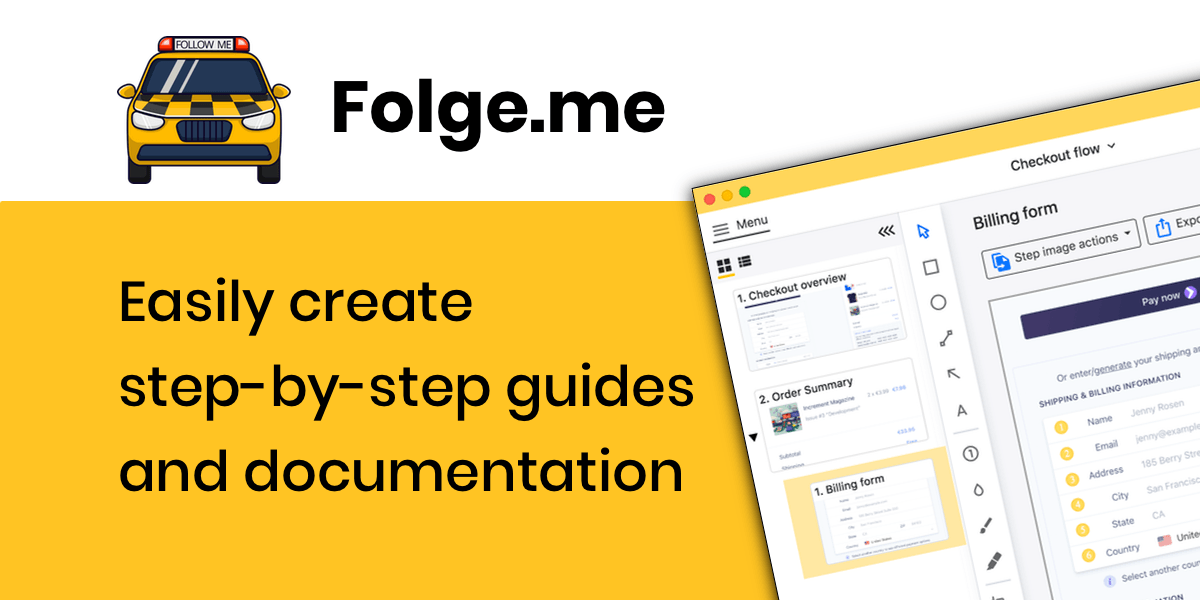
Folge: Create Multi-Format Documentation

Folge is a desktop app available for both Mac and Windows. It offers several standout features:
Automated Capture Tools: Capture screens with automated annotations and OCR text extraction.
Rich Editor: Includes WYSIWYG editing, nested steps, and options for blurring or highlighting key areas.
Export Flexibility: Export your work in 7 formats, including PDF and HTML.
Customization: Personalize layouts with custom fonts, colors, and CSS.
| Plan | Price | Key Features |
|---|---|---|
| Free | $0 | 5 guides, PDF export, basic annotations |
| Personal | $78 | Unlimited guides, all export formats, lifetime updates |
| Business | $134 | Includes everything in Personal, plus transferable licenses and priority support |
PDF Creation Tools
If you need to create professional PDFs, here are some popular options:
Adobe Acrobat Pro DC: A go-to choice for creating and editing PDFs at a professional level.
Microsoft Word: Offers a familiar interface with dependable PDF export functionality.
Scribus: An open-source tool ideal for layout-heavy documentation.
LaTeX: Best for technical or academic documents requiring precise formatting.
HTML Documentation Platforms
For HTML-based documentation, these platforms stand out:
GitBook: A Git-based platform with automatic version control.
ReadTheDocs: A favorite among developers for technical documentation.
Docusaurus: A React-powered static site generator created by Meta.
MkDocs: A Python-based tool that supports Markdown for easy documentation.
These tools allow you to adapt your documentation to your workflow and audience.
When selecting a tool, consider factors like your team's skill set, required export formats, collaboration features, budget, and compatibility with existing tools. For more complex projects, you may need to combine multiple tools to meet your documentation needs effectively.
Conclusion
Key Differences Review
The format you choose for your documentation impacts both how users interact with it and how you manage updates. PDFs are ideal for preserving precise formatting and offline availability, while HTML documentation stands out for its accessibility, ease of updates, and interactive options.
| Aspect | HTML | |
|---|---|---|
| Search Capability | Limited to the document itself | Full-text search with dynamic filtering |
| Interactive Features | Static content with basic navigation | Includes rich media, live code samples, and feedback forms |
| Version Control | Requires manual tracking | Automated through systems like Git |
These points can help you decide which format best suits your needs.
Format Selection Guide
Your choice should align with your documentation goals and audience needs:
Opt for PDF when you require:
Legal documents or contracts
Technical specifications with precise measurements
Offline access for fieldwork
Financial reports
Certification materials
Go with HTML if you need:
Frequently updated, "living" documentation
Developer guides with interactive code examples
Customer-facing product manuals
Searchable knowledge bases
Support for multiple languages
For a flexible solution, consider a hybrid approach. Tools like Folge can help you combine PDF and HTML formats, ensuring your documentation meets varied use cases. Let your audience's preferences and access habits steer your decision.
Get started with Folge today for free.